
May 30, 2026/ 12 Nisan 5786
What makes higher education ‘higher’ is that we cultivate the love of learning for its own sake, that we provide participants with a time to reflect critically on what they believe in and why, to reflect on what purposes and life ambitions are worthy of them. We should be places of moral and civic growth that cultivate…the ability to think and reason together and argue about hard ethical and civic questions. Adapted from Michael Sandel, Harvard Magazine, 2026
I invite readers to join me, and your fellow and aspiring teachers for a monthly online meet-up. These will be informal, heartfelt conversations about the teaching life and the desire to bring “higher” religious studies to the entire desiring public.
First Mondays: Monday, April 6, and meet again May 4, and June 1, 6:30PM to 7:45PM. If we become a community of practice, or feel like we are on the verge of being one, we will resume in the Fall. Please join us!
Each meeting I will be joined by a talented young teacher as my special guest. On April 6, my accomplice will be fellow teacher, Daniel Gutkind, a doctoral student in the Department of Hebrew and Judaic Studies at NYU, where he focuses on Modern Jewish Thought. Daniel graduated with honors from the University of Chicago, where he pursued interdisciplinary studies, including Philosophy, Economics, Literature, and Social Thought.
Our question for April 6 will be as follows:
How does the current status of the teacher, as a social role, reflect our current condition as a society?
The meetings are free of charge, but please register to receive a Zoom Link.
"Fellow Teachers" – Let's talk about what we are made of and why it matters! – a Monthly Meet-Up, beginning April 6
Join your fellow teachers – and those just thinking about being one – for a monthly informal meet-up, on-line.
We will begin Monday, April 6, and meet again May 4, and June 1.
All meetings will be 6:30PM to 7:45PM, and will include a question, a text and a conversation.
"Fellow Teachers" – Let's talk about what we are made of and why it matters! – a Monthly Meet-Up, beginning April 6
Join your fellow teachers – and those just thinking about being one – for a monthly informal meet-up, on-line. We will begin Monday, April 6, and meet again May 4, and June 1. All meetings will be 6:30PM to 7:45PM, and will include a question, a text and a conversation.
So, how does the current status of the teacher, as a social role, reflect our current condition as a society?
I’d like to suggest it’s diagnostic. Asking the question of “the status of the teacher” gives a good indication that our affairs are not in order. To dramatize matters only slightly, let’s entertain the possibility that we are in the midst of a civilizational crisis and many of us don’t even know it!
That’s a big claim, I know. How could one even begin to support it or assess it. Let me suggest at least a starting point: We know we are in crisis, because our teachers often get little respect. Sometimes they don’t even respect themselves or the dignity of their calling.
Is this a crisis of so-called “religion” alone? Not to belittle the importance of that condition, were it so, but no, that, I fear, would be to understate the extremity of our present moment. Teachers, wherever they teach and whatever they teach, are the proverbial “canaries” and the oxygen seems palpably thin almost wherever one turns.
To illustrate briefly:
Wednesday night begins the holiday of Passover, a Festival of Freedom for the Jewish People throughout the world. Prominently featured is what the ancient Greeks called a symposium, e.g. a meal with toasts, conversation and debate, entertainment and frivolity. In the case of the Jewish appropriation, the conversation focuses on the meaning an ancient communal memory, an “Exodus” from Egypt, and in place of libations to the gods Jewish tradition places four blessings to the”Lord, our God King of the Universe.” The ritual, as readers here will surely know, is referred to as a “Seder.”
What role do teachers play? To answer this question, I refer us to a section of the seder known as “the Magid,” and in particular to a section labeled “Once Upon a Time.” Here resides the tale of five legendary teachers, Eliezer, Yehoshua, Elazar ben Azariah, Akiva and Tarfon, all of whom go by the title Rabbi, “my teacher” in ancient Hebrew. It is story-time. Once upon a time, we are told, five rabbis spent an entire night discussing the Exodus. Perhaps they would have even continued into the daylight of the next day, except for the fact that they were interrupted by their students, who declared, “it is time for morning prayers.”
What might this story be saying to us about our question?
Five rabbis, three from prestigious lines, one a convert, one a menial worker, regularly covered in dust. If social or economic status was paramount in this society, one would not expect to find these folks spending their “leisure” time together. But that is precisely what they are doing: at rest, “reclining,” and talking Torah, the purpose of their gathering being to listen and to learn.
מַעֲשֶׁה ONCE,
Rabbi Eliezer and Rabbi Yehoshua and Rabbi Elazar ben Azaria
and Rabbi Akiva and Rabbi Tarfon
reclined [for the seder] in Benei Brak.
And they told of the Exodus from Egypt all that night;
until their students came in and said,
“Teachers –
the time for saying the Shema of the morning has come.” Rabbi Elazar ben Azaria said:
I am almost seventy years old,
and never have I merited to find the command
to speak of the Exodus from Egypt at night –
until Ben Zoma interpreted:
It is written (Deuteronomy 16:3)
“SO THAT YOU REMEMBER
THE DAY OF YOUR EXODUS FROM EGYPT
ALL THE DAYS OF YOUR LIFE.”
“The days of your life” would mean in the days;
“all the days of your life” includes the nights…
הגדה של פסח, מגיד, מעשה שהיה בבני ברק
מַעֲשֶׂה בְרַבִּי אֱלִיעֶזֶר וְרַבִּי יְהוֹשֻׁעַ וְרַבִּי אֶלְעָזָר בֶּן־עֲזַרְיָה וְרַבִּי עֲקִיבָא וְרַבִּי טַרְפוֹן שֶׁהָיוּ מְסֻבִּין בִּבְנֵי־בְרַק וְהָיוּ מְסַפְּרִים בִּיצִיאַת מִצְרַיִם כָּל־אוֹתוֹ הַלַּיְלָה, עַד שֶׁבָּאוּ תַלְמִידֵיהֶם וְאָמְרוּ לָהֶם רַבּוֹתֵינוּ הִגִּיעַ זְמַן קְרִיאַת שְׁמַע שֶׁל שַׁחֲרִית. אָמַר רַבִּי אֶלְעָזָר בֶּן־עֲזַרְיָה הֲרֵי אֲנִי כְּבֶן שִׁבְעִים שָׁנָה וְלֹא זָכִיתִי שֶׁתֵּאָמֵר יְצִיאַת מִצְרַיִם בַּלֵּילוֹת עַד שֶׁדְּרָשָׁהּ בֶּן זוֹמָא, שֶׁנֶּאֱמַר, לְמַעַן תִּזְכֹּר אֶת יוֹם צֵאתְךָ מֵאֶרֶץ מִצְרַיִם כֹּל יְמֵי חַיֶּיךָ. יְמֵי חַיֶּיךָ הַיָּמִים. כֹּל יְמֵי חַיֶּיךָ הַלֵּילוֹת
From whom are the five prepared to learn?
Not only from each other, regardless of class, status, and power, but from their subordinates as well: from their students. In point of fact, this text only reaches its climax once the students burst in, interrupt and goad their teachers about their imminent obligations. Not only do their teachers appear to heed their students’ words, and cease their discoursing in favor of saying the obligatory morning prayer, but Rabbi Elazar ben Azaria, a member of the priestly caste, credits this very interruption with a life-changing Torah-insight. “Only in that moment,” confesses Elazar, “did it dawn on me that it was in my power to fully realize the Deuteronomic command to recollect the Exodus ‘all the days’ of my life!” Recollection “to the max” means “all night,” that is, up until the very last moment, when, the obligation to morning prayers having arisen, it is time to cut off conversation and turn to other matters, the regular and regulated life of prayer!
The discerning reader of the Haggadah may notice one additional detail about the “story of the five” as well, namely, it follows hard on the heels of the dictum,
…the more one tells of the coming out of Egypt,
the more admirable it is.
מִצְוָה עָלֵינוּ לְסַפֵּר בִּיצִיאַת מִצְרָיִם. וְכָל הַמַּרְבֶּה לְסַפֵּר בִּיצִיאַת מִצְרַיִם הֲרֵי זֶה מְשֻׁבָּח…
This placement too accentuates the value of the learning happening at the seder.
What do we learn about the values of the Torah-Civilization from the five “who spoke of the Exodus from Egypt all night long”?
A world in which people do not, or usually do not, behave even remotely like our five from B’nei Brak – the home, by the way, of Akiva, the one among the five with the least social standing – is not a “civil” world – rather, it’s a civil-i-zation-in-crisis.
Lest this sound like yet one more appeal by an aspiring teacher for middle-class professional status, let me put it in other terms: the heroes of the tale from B’nei Brak are the students, not the teachers. Who took a risk? The students, it would appear, preferred to risk appearing arrogant because they believed that a Torah-teaching was at stake. After all, we all know that one can get utterly lost in a good conversation, not to mention one that lasts all night. For the students, who presumably admired and may have even emulated the practice of holding an all-night symposium at that time of year, a Torah worthy of its name, i.e. “Teaching”, cannot remain simply discourse. Torah, true to its ideals, leads into life. It points to deeds of loving-kindness and to collective social action, and provides at least some measure of motive-force. (cf. BT Shabbat 127a).
Conclusion
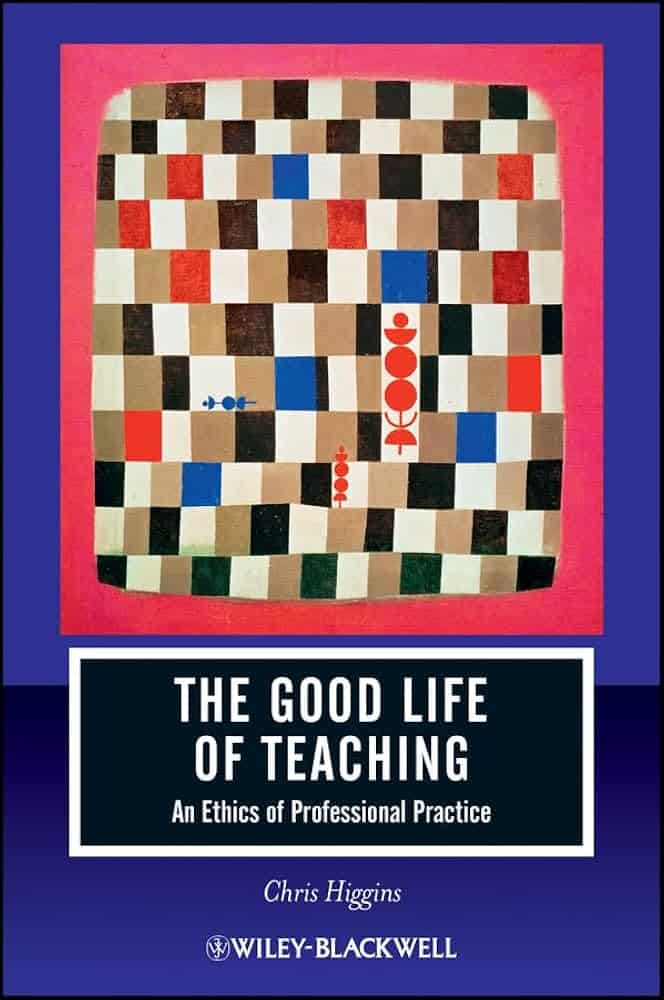
In his timely book, The Good Life of Teaching, Chris Higgins explains that “education has long been torn between two fundamentally different outlooks” – the mimetic and the transformative (3),” and contends it is “much easier [for us today] to understand” the mimetic approach, because its aim is to “transmit…detachable skills and discrete knowledge.” In other words, we have internalized the lessons of the state and the economy of our age: the goods that are most valuable in our zeitgeist are the ones that promise to enhance our command and control at some future time, and that are subject to our measurement right now in the course of our acquiring them. Hence, in education, the inordinate prestige of mathematics and the natural sciences, and of pre-professional routes through the university.
Let me close with just one example of the perversity this ontology engenders, and the burden it imposes on us all. In a world thus constituted, as Alasdair MacIntyre famously underlined already 40 years ago, our values are willy-nilly assimilated to preferences, and the substance of our moral convictions looks more and more like “simply” a product of our emotional lives. MacIntyre and others refer to this as “emotivist culture.”
How could a teacher possibly teach under the umbrella of “transformation” in an emotivist culture?
This (kind of) teacher is stymied. This (kind of) teaching grinds to a halt.
And since Jewish Civilization has this kind of teaching in it, this Civilization edges closer and closer to collapse.
So, let us meet on April 6; five of us perhaps; and perhaps there will be more. We will not discourse until morning.
מִצְוָה עָלֵינוּ לְסַפֵּר בִּיצִיאַת מִצְרָיִם. וְכָל הַמַּרְבֶּה לְסַפֵּר בִּיצִיאַת מִצְרַיִם הֲרֵי זֶה מְשֻׁבָּח…
We will, however, most likely speak of liberation, and what it might be like to live in a civilization that restored teaching to its rightful place.
And I do hold with the Haggadah that the more we will manage to speak together of liberation from this narrow place in which today we find ourselves, the better off we will be.
Is it time to act? Pace the Psalmist, perhaps it is, and with a sense of urgency, too: before they vacate your Torah (cf. Psalm 119:126).
Avi Bernstein-Nahar, PhD
www.linkedin.com/in/avi-bernstein-4806756
Founder and President,The New Jewish Academy
Founder and Principal, 36 LEARNING MATTERS
Check out our summer academy for clergy and teachers of Religious Studies/Jewish Studieshere!

Near Eastern and Judaic Studies (NEJS)
Brandeis University